
Shopping Cart
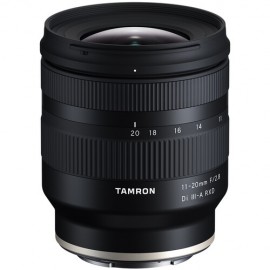
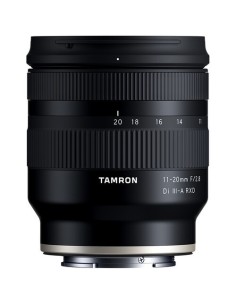
- On sale!
Available


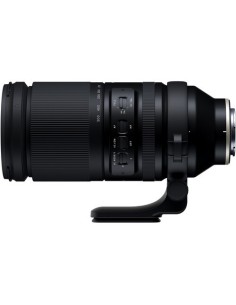


Tamron lenses for Fujifilm X-mount cameras. Our range of lenses offers versatile, high-performance options to meet the needs of professional and amateur photographers. These lenses excel in technological innovation, delivering sharpness, vibrant colors, and superior optical performance. Find lenses specifically designed for the Fujifilm X-mount, ensuring perfect compatibility and exceptional results. Explore creativity with our lenses , ideal for portraits, landscapes, and more. Find the perfect lens to suit your style and take your photography to new heights. Discover the quality and versatility of Tamron lenses for Fujifilm X-mount cameras. Explore now to take your images to the next level!
Perfect Compatibility:
Affordable Price without Sacrificing Quality:
Exceptional Optical Quality:
Variety for All Photographic Styles:
A photographic lens, also known as a lens, is an essential part of a camera used to focus light and form an image on the sensor or film. This optical component determines how images are captured and has a significant impact on the quality and style of photographs.
Photographic lenses consist of several lenses and optical elements arranged in specific ways to direct the light passing through toward the camera sensor. Each lens has its own characteristics, such as focal length, maximum and minimum aperture, focus type, and other properties that affect how photographs are taken.
Focal distance:
Opening:
Approach:
Lens Type:
Lenses are crucial to creative expression in photography, as each type of lens can produce unique results. Choosing the right lens depends on the situation, photography style, and the photographer's preferences.
Choosing the right lens for your camera will depend on several factors, such as the type of photography you want to do, the conditions you plan to shoot in, and your personal preferences. Here are some things to consider when selecting a lens:
Type of Photography:
Portraits: For portraits, prime lenses with wide apertures (e.g., f/1.8 or f/1.4) are popular, as they allow for soft background blur (bokeh) and perform well in low-light situations.
Landscapes: Wide-angle lenses are ideal for capturing expansive landscapes. Look for lenses with short focal lengths (e.g., 24 mm) for a wide field of view.
Sports and Action: Telephoto lenses are essential for photographing distant or fast-moving subjects. A telephoto zoom with a variable focal length (e.g., 70-200mm) is versatile for these situations.
Aperture and Luminosity:
A wider aperture (lower f-numbers, such as f/1.4) allows more light in, useful in low-light conditions and for creating blur effects.
Lenses with smaller apertures (higher f-numbers, such as f/4) can be more compact and lighter.
Focal distance:
Focal length affects perspective and how close you are to your subject. Longer focal length lenses bring your subject closer, while shorter focal lengths widen your field of view.
Approach:
Decide whether you prefer a manual or autofocus lens. Some photographers enjoy complete control with manual focus, while others prefer the convenience of autofocus.
Budget:
Lenses vary in price. Determine your budget and look for options that fit within it. Sometimes, lenses from third-party brands offer good alternatives at more affordable prices.
Compatibility:
Make sure the lens is compatible with your camera in terms of mount and system. Some brands have proprietary mounts, so check compatibility before purchasing.
Versatility:
Zoom lenses offer versatility by providing a range of focal lengths in a single lens. They're useful for situations where you can't change lenses frequently.
Opinions and Reviews:
Do some research and read other photographers' reviews of the lenses you're considering. This will give you an idea of how they perform in real-life situations.